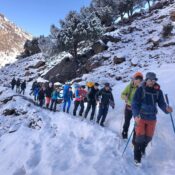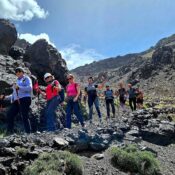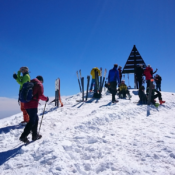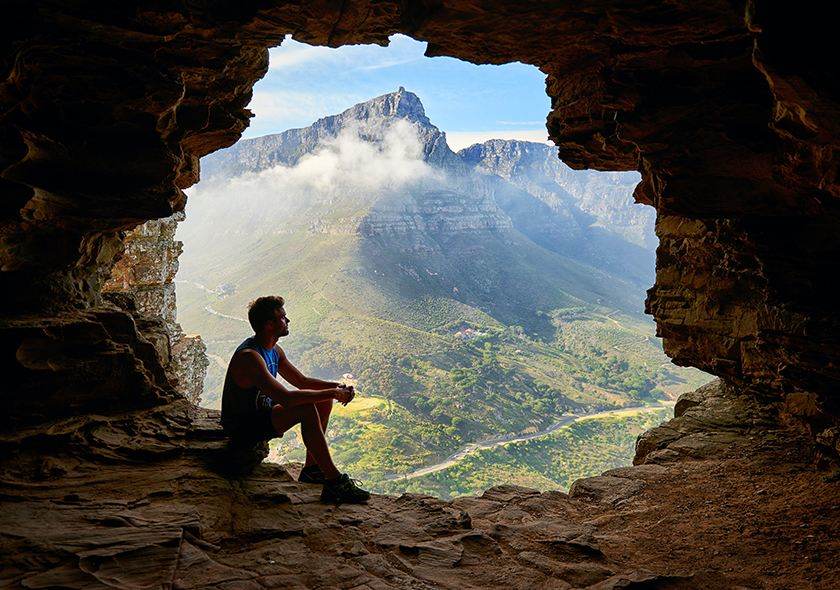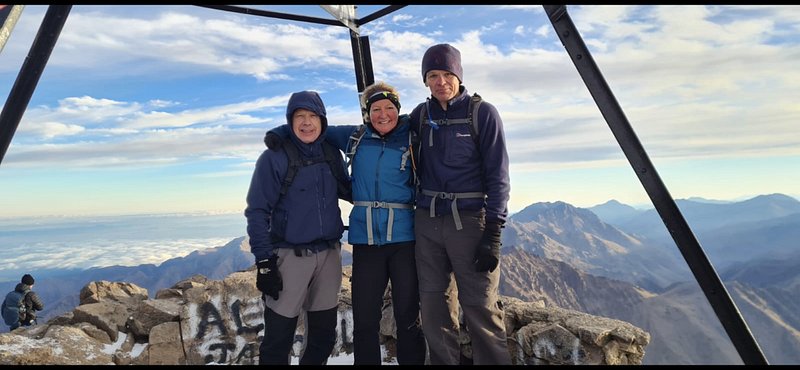
A trip to climb Mount Toubkal, which has a height of 4,167 m, is always an adventurous activity, but if you suffer from altitude sickness, your trip may become a challenge. However, with proper preparation, you’ll be able to climb the mountain safely. The following are important guidelines on how to climb the mountain, as given by a local guide in Imlil village.
Mount Toubkal Altitude Sickness Guide:
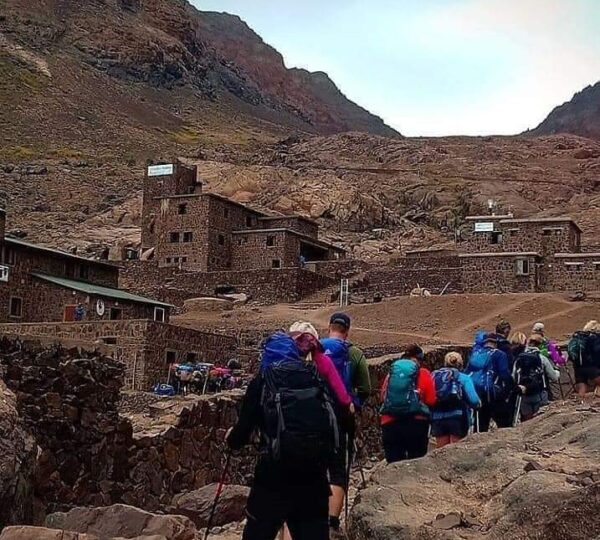
What is Altitude Sickness?
This can occur when the body has difficulty acclimatising to the higher altitude.
Symptoms may involve headaches, nausea, dizziness, difficulty breathing, and tiredness.
It tends to target trekkers above 2,500m, so people trekking to Toubkal Peak should be
Typical Symptoms of Altitude Sickness at Mount Toubkal
- Headaches and dizziness
- Vomiting or loss of appetite
- Fatigue and weakness
- Shortness of breath
Tip: When symptoms are mild, it is normal; if symptoms are severe, an immediate descent is
Top Mount Toubkal Altitude Sickness Tips
1.Acclimatization Tips for High Altitude Trekking in Mount Toubkal
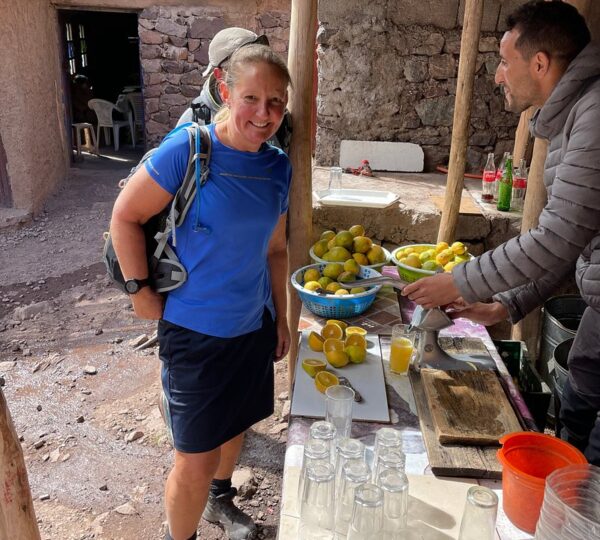
Spend 1 or 2 nights in Imlil village (1,740m) before Do not hurry. Acclimatize by going to 3,200 m in one day with a 1-day rest.
2. Stay Hydrated
Drink at least 3 liters of water per day.
Avoid Alcohol and Caffeine.
3. Eat Light, Frequent Meals
Emphasize carbs, easily digested food.
Do not eat hearty, fatty foods when traveling to high altitudes.
4. Listen to Your Body
If you experience symptoms, slow down.
Don’t push yourself to reach the summit at all costs.
5. Consider Medication
Acetazolamide (Diamox) has been employed by a few trekkers
Carry basic first-aid kit supplies such as pain medication and dehydration salts.
6. Descend if Symptoms Worsen
Severe headache, vomiting, or confusion = Descend Immediately.
Safety first, and then comes the summit.
Extra Tips from a Local Guide:
It is best to trek early in the morning because the weather will be calm, along with easier access of oxygen.
Sleep in well-insulated shelters; cold exacerbates symptoms.
Trek with an experienced guide who knows the right speed.
Key takeaways:
A condition widely experienced but easily prevented.
Gradual acclimatization, staying hydrated, and listening to your body are essential.
With the right preparation, it’s completely possible to climb the peak and take in the views.
Ready to Climb Mount Toubkal Safely?
Trekking with a local, experienced guide increases your safety, comfort, and chances of reaching the summit successfully.
If you’re planning your Mount Toubkal climb, contact us to organize a safe, well-paced, and unforgettable trekking experience.