With MaraTrek, climbing Jebel Toubkal is one of the most memorable adventures a traveler can experience in Morocco. Rising to 4,167 meters above sea level, it is the highest peak in North Africa and the crown of the High Atlas Mountains. Toubkal is not only a mountain to climb, but also a journey through changing landscapes, Berber villages, ancient paths, thin mountain air, and a powerful sense of silence that grows stronger with every step upward.
Climbing Jebel Toubkal
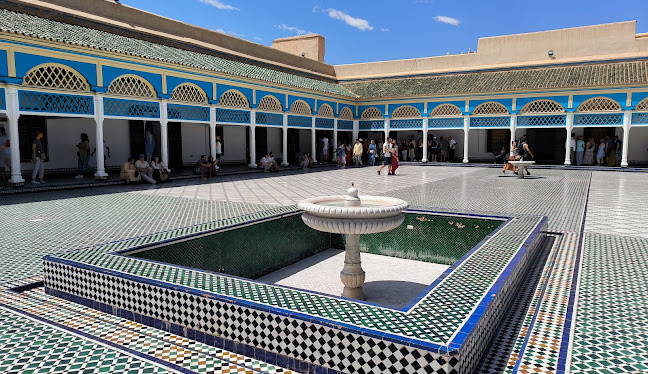
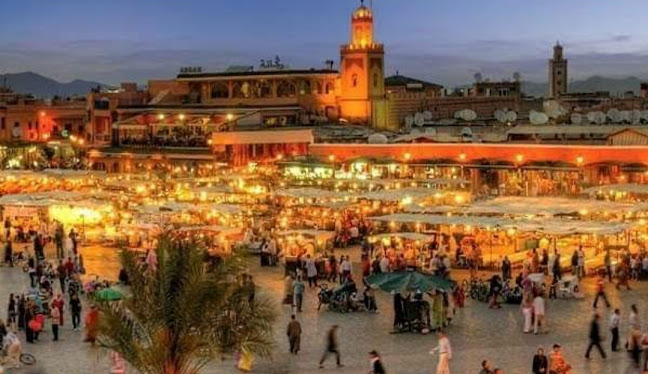
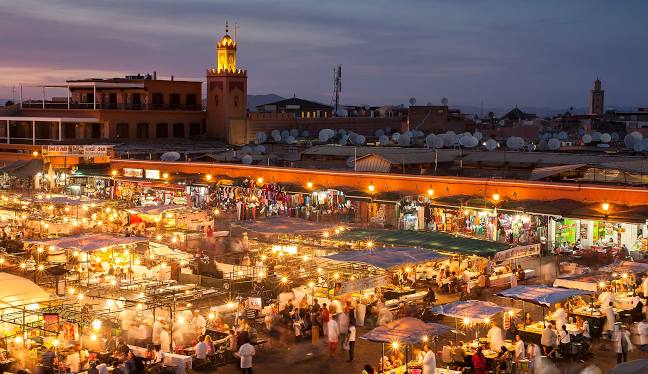
For many people, climbing Jebel Toubkal is a physical challenge, but also emotional and cultural. It reveals a side of Morocco that is far away from busy streets of Marrakech, noise of markets, and heat of the plains. The adventure usually begins in Marrakech, a city full of color, movement, and energy. From there, travelers head south toward the village of Imlil, which is the main starting point for the climb. The already feels like a passage into another world.
The landscape changes gradually from urban life to valleys, orchards, mountain slopes, and small villages built into the hillsides. Imlil sits at about 1,740 meters and is surrounded by walnut trees, terraced fields, as well as peaks that rise sharply above the valley. Climbing Jebel Toubkal is an activity where trekkers prepare their bags, meet local guides, hire mules if needed, and take a first breath of mountain air. From Imlil, the route to Jebel Toubkal usually follows a path through the village of Aroumd and then continues along a rocky trail toward the Toubkal refuge.
At the beginning, climbing Jebel Toubkal feels gentle enough, though the altitude soon reminds climbers that they are moving steadily upward. The path crosses dry riverbeds, passes small shrines, and winds through inspiring valleys where colors of the rock shift between red, brown, grey, and ochre. Along the way, local muleteers often carry supplies toward the refuge, and small stalls may offer mint tea, water, oranges, or simple snacks. These pauses are part of the mountain’s rhythm. They allow climbers to rest, look around, and appreciate the scale of the Atlas landscape.
One of the most beautiful parts of climbing Jebel Toubkal is the contact with Amazigh, or Berber, mountain culture. The villages around Imlil have been shaped by generations of people who know how to live in a difficult but beautiful environment. Houses are often built from stone and earth, blending naturally with the surrounding mountains. Terraces cut into the slopes show how carefully people have used the land for farming. Hospitality is a strong part of local life, and many climbers remember the warmth of a shared meal, a glass of mint tea, or a simple greeting on the trail as much as they remember the summit itself.
Climbing Jebel Toubkal is therefore not just about reaching a high point on a map, but also passing respectfully through a living mountain region. First day of the climb often ends at one of the refuges below the summit, located at roughly 3,200 meters. Reaching the refuge can take several hours, depending on pace, weather, and fitness. By the time trekkers arrive, air is thinner and temperature cooler, especially time after sunset. The refuge is basic but important. It provides shelter, food, and a place to sleep before the summit attempt.
Inside, climbers from different countries gather with the same goal. Some are experienced mountaineers, while others are attempting a high-altitude climb for the first time. The atmosphere is a mixture of excitement, nervousness, fatigue, and quiet determination. The night before the summit is often short. Climbing Jebel Toubkal usually requires waking very early, sometimes before dawn, because the ascent to the top and the descent back to Imlil can make for a long day.
In the darkness, headlamps move like small stars across the slope above the refuge. Climbing Jebel Toubkal begins steeply, and the first section can feel demanding because the body has not fully warmed up and the altitude makes breathing heavier. Each step requires patience. This is where many climbers learn that Toubkal is not technically difficult in normal conditions, but it still requires respect. The mountain is high enough to cause altitude symptoms, and the terrain can be loose, rocky, snowy, or icy depending on the season.
As climbing Jebel Toubkal continues, the sky slowly begins to change. The blackness of night becomes deep blue, then pale gold. The surrounding peaks appear individually, and the huge valleys below begin to open. This moment is one of the rewards of an early start. The higher a climber goes, the more the world seems to expand. The final approach to the summit can be tiring, especially when the path becomes steep and the wind picks up. Yet the sight of the metal summit marker gives many climbers a final burst of energy. In steps and breaths, the summit comes closer.
Climbing Jebel Toubkal is an unforgettable feeling. At 4,167 meters, the summit offers a wide view over the High Atlas Mountains. On a clear day, the ridges stretch in every direction, and far below are valleys, villages, and empty slopes that seem almost endless. The air is cold as well as thin, and the sense of space is extraordinary. Many climbers feel a mixture of joy, relief, pride, and humility. The mountain gives a strong reminder that nature is larger than human ambition. Reaching the summit is an achievement, but it is also a moment of stillness.
People take photographs, hug their companions, eat a small snack, and stand quietly for a few minutes before beginning the descent, which is is often harder than expected. After the summit emotion, climbing Jebel Toubkal still needs focus and energy to return safely. Loose stones can make the path slippery, and tired legs are more likely to make mistakes. Going down requires careful steps, especially on steep sections. The refuge eventually comes back into view, and many climbers stop there for lunch or a rest before continuing toward Imlil.
As the altitude decreases, breathing becomes easier and warmth returns. The landscape that looked mysterious in the early morning becomes familiar again, though the experience has changed the way it is seen. Climbing Jebel Toubkal is possible for many reasonably fit people, but it should not be treated casually. Good preparation matters. Comfortable hiking boots, warm layers, sun protection, enough water, and a steady pace are important.
Weather can change quickly in the mountains, and winter ascents may require equipment such as crampons and an ice axe. A local guide is often recommended, or may even be required, depending on current regulations and conditions. More importantly, a good guide brings knowledge of the route, weather, safety, and local culture. This can make climbing Jebel Toubkal safer and richer. The best seasons for many trekkers are spring, summer, and autumn, when the route is generally more accessible, although even then the mountain can be cold and windy near the summit
During winter, climbing Jebel Toubkal offers a more serious mountaineering experience, with snow and ice adding beauty but also risk. Every season changes the summit’s character. In spring, valleys can be greener and the air clear. In summer, the lower parts may be warm while the summit remains cool. In autumn, the light can be especially beautiful, with sharper views and quieter trails. In winter, the mountain becomes more inspiring and demanding.
What makes Toubkal special is not only its height, but the combination of accessibility and grandeur. Within a short journey from Marrakech, a climber can leave behind city life and enter a high mountain world. Climbing Jebel Toubkal does not require advanced skills in normal dry conditions, yet it offers a real sense of achievement. It is a mountain that welcomes determined beginners but still commands the respect of experienced hikers. Its difficulty lies in altitude, long walking days, steep slopes, and the need to keep going when the body wants to slow down.
For Moroccans, climbing Jebel Toubkal is a symbol of national geography and natural pride. For visitors, it is often a gateway to understanding the diversity of Morocco. The country is sometimes imagined mainly through deserts, medinas, beaches, and historic cities, but the Atlas Mountains show another identity. They are rugged, quiet, and deeply rooted in tradition. Climbing Jebel Toubkal offers a chance to see this identity closely, not from a car window or a postcard, but by steps on a mountain trail.
Climbing Jebel Toubkal leaves a lasting impression because it is both simple and profound. You begin in a village, follow a path, spend a night beneath the summit, wake before dawn, climb through darkness, and stand above North Africa as the morning light spreads across the mountains. Then you return, tired but changed. Jebel Toubkal teaches patience, respect, endurance, and appreciation. It shows that the value of a climb is not only in reaching the top, but in everything that happens along the way, including people you meet, silence you hear, effort you give, and the view that stays in your memory long after you have come back down.