Are you a UK traveller dreaming of an escape from the daily grind?
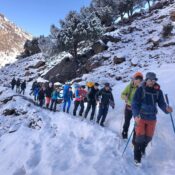
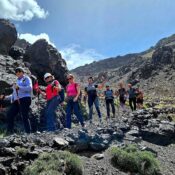
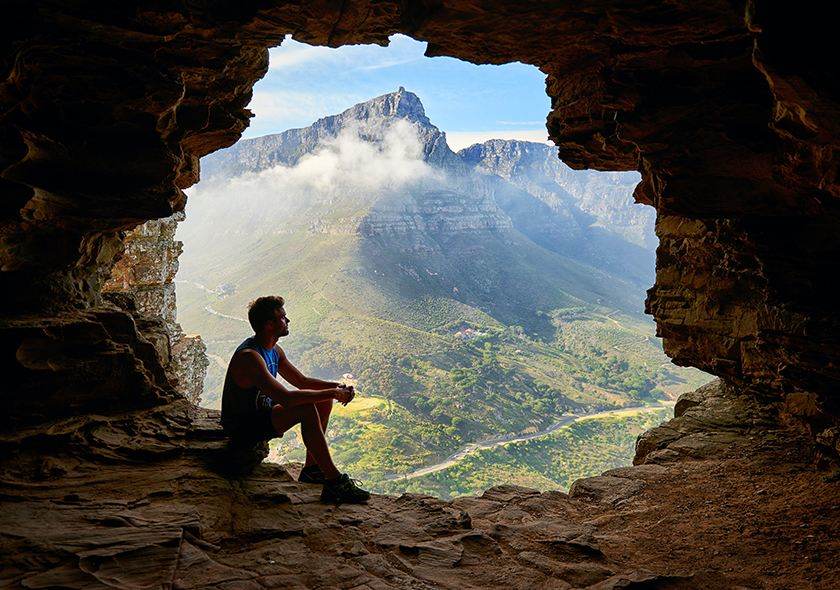
Atlas Mountains Trekking in Morocco is one of the most rewarding adventures for UK travellers seeking dramatic landscapes and authentic cultural experiences. Morocco trekking holidays offer the perfect remedy for those craving a unique, rugged adventure. By choosing this path, you will discover some of the most dramatic landscapes in North Africa.
Trekking in Morocco offers an incredible chance to immerse yourself in authentic cultural encounters. It is no surprise that many UK trekking enthusiasts now favour these high-altitude routes for their next big getaway.

This guide helps you plan a seamless expedition through these iconic peaks. We will ensure you are fully prepared to embrace the region’s beauty while enjoying a truly memorable journey.
Key Takeaways
- Discover why Morocco is a top destination for UK travellers seeking adventure.
- Experience the dramatic, rugged beauty of North African landscapes.
- Engage with local cultures through authentic and respectful travel practices.
- Find essential tips for planning your perfect high-altitude expedition.
- Understand the unique appeal of these trails for those wanting to escape the ordinary.
The Allure of the High Atlas
For those seeking a true Morocco mountain adventure, the High Atlas range offers an unparalleled landscape that feels worlds away from the familiar trails of the British Isles. This region provides a unique blend of challenging terrain and stunning vistas that continue to captivate visitors from across the globe.
Why Morocco is a Top Destination for UK Trekkers
Many UK trekking enthusiasts are drawn to this region because of its remarkable accessibility and the sheer contrast it offers to domestic hiking. A short flight from London lands you in a culture that is vibrant, welcoming, and deeply rooted in ancient traditions.
The opportunity for trekking in the High Atlas allows adventurers to escape the crowds and immerse themselves in a landscape where time seems to stand still. It is a rare chance to combine physical exertion with a profound sense of discovery.
Understanding the Geography of the Atlas Range
The geography of the Atlas range is incredibly diverse, encompassing everything from arid, sun-baked foothills to dramatic, snow-capped peaks. This variety ensures that every Morocco mountain adventure feels like a journey through multiple climate zones in a single trip.
For UK trekking enthusiasts, understanding these zones is vital for preparation. The following table highlights the distinct characteristics of the primary trekking areas found within the range.
| Region | Terrain Type | Best Season | Difficulty Level |
|---|---|---|---|
| Toubkal Massif | High Alpine | June to September | Challenging |
| M’Goun Valley | River Gorges | May to October | Moderate |
| Ouirgane Valley | Rolling Foothills | All Year | Easy to Moderate |
Whether you are planning your first High Atlas hiking trip or returning for another challenge, the scale of the mountains is truly humbling. The sheer verticality of the peaks provides a rewarding experience for anyone willing to put in the effort.
Essential Planning for Your Atlas Mountains Trekking Adventure
A successful expedition into the mountains begins long before you lace up your boots. Proper preparation is the cornerstone of any Atlas Mountains trekking trip, ensuring you are ready for the unique conditions of the region. By taking the time to organise your logistics, you ensure that trekking in the High Atlas remains a rewarding and stress-free experience.
Choosing the Right Time of Year
Selecting the best time to trek the Atlas Mountains is vital for your comfort and safety. While the region offers beauty year-round, the Atlas Mountains’ weather can shift rapidly at higher elevations, turning a sunny morning into a challenging afternoon.
Consider these seasonal factors when planning your dates:
- Spring (April to May): Ideal for pleasant temperatures and blooming valleys.
- Summer (June to September): Best for high-altitude summits, though lower valleys can be quite hot.
- Autumn (October to November): Offers stable, clear skies and crisp air, perfect for long treks.
- Winter (December to March): Requires technical gear and experience due to snow and ice.
“Preparation is the difference between a struggle and an adventure; respect the mountain, and it will reward you with views that last a lifetime.”
Permits and Local Regulations
Navigating the administrative side of High Atlas hiking is simpler than many travellers expect. While you do not always need complex permits for standard routes, it is essential to remain compliant with local requirements to ensure your journey proceeds without interruption.
Always verify your plans with a registered local guide or your accommodation provider upon arrival. They are well-versed in the latest local regulations and can help you secure any necessary permissions for restricted areas. Staying informed allows you to focus entirely on the breathtaking scenery rather than paperwork.
Selecting the Perfect Trekking Route
Whether you seek high-altitude thrills or quiet valley walks, Morocco offers diverse trails for every traveller. Choosing the right path is vital for a rewarding Morocco mountain adventure, regardless of your previous experience. By matching your fitness level to the terrain, you ensure a safe and enjoyable journey through these magnificent landscapes.
Mount Toubkal: The Classic Ascent
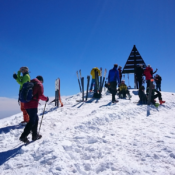
For many, trekking Mount Toubkal represents the ultimate goal when visiting the region. As the highest peak in North Africa, it provides a challenging yet accessible climb for those with a good level of fitness. This iconic route is a staple of many Morocco trekking holidays, offering breathtaking views from the summit.
“The mountains are calling and I must go, for the climb is not just about the peak, but the spirit found along the way.”
M’Goun Massif: For the Adventurous Soul
If you prefer to escape the crowds, the M’Goun Massif is an excellent choice for your next trekking in Morocco experience. This remote area offers a wilder, more rugged environment that demands a higher level of self-sufficiency. It is perfect for those who want to test their endurance in a truly isolated setting.
The Ouirgane Valley: A Gentler Pace
Those who are looking for a more relaxed experience will find the Ouirgane Valley to be a hidden gem. These Morocco hiking routes wind through lush orchards and traditional Berber villages, providing a softer side to the Atlas range. It is an ideal option for families or those who prefer to focus on cultural immersion rather than steep, technical climbs.
| Route Name | Difficulty Level | Best For | Duration |
|---|---|---|---|
| Mount Toubkal | Challenging | Summit Seekers | 2-3 Days |
| M’Goun Massif | Very Strenuous | Remote Exploration | 5-7 Days |
| Ouirgane Valley | Easy to Moderate | Cultural Immersion | 1-2 Days |
Physical Preparation and Fitness Requirements
Embarking on a journey through the High Atlas requires careful physical conditioning to ensure you enjoy every step. Whether you are planning a Mount Toubkal climb or exploring remote valleys, your body needs to be ready for the unique demands of the terrain. A structured approach to your fitness will significantly enhance your overall experience.
High Atlas hiking is a rewarding challenge that tests your endurance and stamina. By starting your training programme several months in advance, you can build the necessary strength to navigate steep ascents and rocky paths with confidence. Consistency is the key to success when preparing for such an adventure.

Training Tips for High-Altitude Hiking
To prepare effectively, focus on cardiovascular exercises that mimic the intensity of mountain trails. Incorporating hill walking, cycling, or stair climbing into your routine will help build the leg strength required for trekking Mount Toubkal. These activities are essential high altitude trekking tips that help your muscles adapt to sustained exertion.
Do not neglect core stability, as a strong midsection helps you maintain balance while carrying a backpack. Aim for at least three sessions of aerobic exercise per week, gradually increasing the duration and intensity. Remember that mountain trekking safety begins with a body that is well-prepared for the rigours of the trail.
Managing Altitude Sickness
As you ascend, the air becomes thinner, making it vital to understand how your body reacts to changes in elevation. Altitude sickness can affect anyone, regardless of their fitness level, so it is important to recognise the early warning signs. Common symptoms include headaches, nausea, and fatigue, which should never be ignored during your Mount Toubkal climb.
The most effective way to prevent illness is to ascend slowly, allowing your body time to acclimatise to the environment. Staying hydrated and eating nutritious meals are fundamental high altitude trekking tips that support your well-being. If you feel unwell, communicate immediately with your guide to ensure your mountain trekking safety remains the top priority throughout your trekking Mount Toubkal adventure.
Essential Gear and Packing List
Packing the right equipment is the secret to a successful trek in the Atlas Mountains. When you prepare for your adventure, remember that trekking gear for Morocco must be versatile enough to handle rapid shifts in temperature. Following professional high altitude trekking tips will ensure you remain comfortable regardless of the conditions you encounter on the trail.
Clothing Layers for Variable Weather
The key to managing mountain weather is the layering system. You should start with a moisture-wicking base layer to keep your skin dry during strenuous climbs. A fleece or lightweight down jacket serves as an excellent mid-layer to trap body heat when the temperature drops.
Always carry a high-quality waterproof shell jacket and trousers in your pack. These items provide a vital barrier against sudden rain or high-altitude winds. By adjusting your layers throughout the day, you can maintain a steady body temperature without overheating.
Footwear and Technical Equipment
Your feet are your most important asset on the trail. Invest in a pair of sturdy, broken-in hiking boots that offer excellent ankle support for rocky paths. Pair these with moisture-wicking wool socks to prevent blisters and keep your feet comfortable over long distances.
Technical equipment is equally important for safety and stability. Trekking poles are highly recommended to reduce the strain on your knees during steep descents. Additionally, ensure your backpack has a comfortable harness system and a rain cover to protect your belongings.
Health and First Aid Essentials
Carrying a well-stocked first aid kit is a non-negotiable part of your preparation. Your kit should include blister plasters, antiseptic wipes, and basic pain relief medication. It is also wise to pack rehydration salts to help your body recover quickly after long days of exertion.
Personal hygiene items and high-factor sun protection are also essential for your wellbeing. Remember that the sun is much stronger at higher elevations, so protecting your skin is a priority. By following these high altitude trekking tips, you will be well-equipped to handle minor health challenges while enjoying the beauty of the range.
Immersing Yourself in Berber Culture
A memorable Morocco mountain adventure is defined as much by the people you meet as the summits you conquer. While the landscape is breathtaking, the true spirit of the region resides in the ancient traditions of the Berber people. Engaging with these communities offers a unique perspective that turns a standard hiking trip into a life-changing journey.
Etiquette and Respecting Local Traditions
When you embark on Berber village trekking, remember that you are a guest in a deeply traditional environment. Modesty is highly valued in these mountain communities, so it is best to dress conservatively by covering your shoulders and knees. This simple sign of respect goes a long way in building trust with your hosts.
Always ask for permission before taking photographs of individuals or their homes. Taking the time to smile and greet locals with a polite “Salam” can open doors to genuine connections. By observing these small social cues, you ensure that your presence remains positive and respectful for everyone involved.
The Hospitality of Mountain Villages
The legendary hospitality of the Atlas Mountains is something every traveller should experience at least once. You will often find yourself invited into a family home for a glass of sweet mint tea, a gesture that symbolises friendship and peace. This Berber culture experience is often the highlight of the trip, offering a rare glimpse into a way of life that has remained unchanged for centuries.
Do not feel pressured to rush your interactions. Sitting quietly, listening to stories, and sharing a moment of calm is a cherished part of the local lifestyle. Your willingness to slow down and engage will be met with genuine warmth and kindness from your hosts.
Traditional Cuisine to Fuel Your Trek
After a long day on the trails, nothing beats the comfort of authentic Moroccan mountain cuisine. These hearty meals are designed to provide the energy you need for high-altitude activity. You will typically enjoy slow-cooked tagines, rich with seasonal vegetables, tender meat, and aromatic spices.
Freshly baked khobz, a traditional flatbread, is served with almost every meal and is perfect for scooping up delicious sauces. Eating together from a communal dish is a central part of the dining experience, fostering a sense of unity and shared purpose. Savouring these flavours is not just about nutrition; it is a vital part of connecting with the land and its people.
Logistics and Accommodation Options
Planning the finer details of your trip ensures that your time in the mountains is spent enjoying the scenery rather than worrying about transport. Organising your Morocco trekking holidays requires a clear understanding of how to navigate the terrain and where to rest your head after a long day of walking.
Mountain Refuges versus Wild Camping
Choosing between a mountain refuge and wild camping depends on your personal preference for comfort versus solitude. Refuges offer a social atmosphere where you can meet fellow travellers and enjoy a warm meal prepared by local hosts.
On the other hand, Berber village trekking often allows for a more immersive experience if you choose to camp under the stars. Wild camping provides unparalleled access to remote landscapes, though it requires carrying more equipment and supplies.
“The true magic of the mountains is found not just in the summit, but in the quiet moments spent in the heart of the wilderness.”
| Feature | Mountain Refuge | Wild Camping |
|---|---|---|
| Comfort Level | Basic beds and shelter | Requires tent and mat |
| Social Aspect | High interaction | Solitary and quiet |
| Logistics | Easier to manage | Requires more planning |
Hiring Local Guides and Mules
Hiring local experts is highly recommended to ensure your safety and enjoyment. Atlas Mountains guided tours provide invaluable knowledge of the terrain, helping you navigate complex paths with ease.
Mules are essential for transporting your trekking gear for Morocco, allowing you to hike with a lighter pack. This support system ensures that you remain energised throughout your journey, regardless of the incline.
Getting from Marrakech to the Trailhead
Most adventures begin in the vibrant city of Marrakech, which serves as the primary gateway to the range. You can arrange private transfers or shared taxis to reach the start of various Morocco hiking routes.
Booking your transport in advance is a smart move to avoid last-minute stress. Reliable local drivers are accustomed to the winding mountain roads and will ensure you arrive at your destination safely and on time.
Safety Considerations in the Mountains
Your journey into the Atlas range should always be built upon a foundation of mountain trekking safety. While the peaks offer breathtaking views, the terrain is rugged and demands respect from every visitor. Prioritising your wellbeing ensures that your adventure remains a positive memory rather than a stressful ordeal.

Weather Patterns and Seasonal Hazards
Understanding the Atlas Mountains weather is vital for any hiker. Conditions can shift rapidly, turning a sunny morning into a freezing afternoon with little warning. Choosing the best time to trek Atlas Mountains, typically between April and October, significantly reduces the risk of encountering severe snowstorms or dangerous ice.
Even in warmer months, high-altitude zones can experience sudden temperature drops. Always monitor local forecasts and be prepared to turn back if conditions deteriorate. Staying flexible with your itinerary is a hallmark of a smart and safe trekker.
Communication and Emergency Procedures
Reliable communication is essential when you are far from civilisation. Mobile phone coverage is often patchy or non-existent in remote valleys, so carrying a satellite messenger or a local SIM card is a wise choice. Many travellers prefer Atlas Mountains guided tours because local guides possess the expertise to navigate these communication challenges effectively.
Following professional high altitude trekking tips can save lives in an emergency. Always inform your accommodation provider of your planned route and expected return time. If you encounter an injury, stay calm, keep warm, and use your whistle or signal mirror to alert rescue teams.
Travel Insurance for High-Altitude Activities
Never underestimate the importance of comprehensive travel insurance. Ensure your policy specifically covers high-altitude trekking, as standard plans often exclude activities above 2,000 or 3,000 metres. This coverage is just as critical as your trekking gear for Morocco, providing a safety net should you require an emergency evacuation or medical care.
When preparing for a Mount Toubkal climb, verify that your insurance provider includes search and rescue operations. Having the right documentation ready can prevent significant delays during a crisis. Peace of mind allows you to focus entirely on the stunning landscapes surrounding you.
| Safety Category | Primary Risk | Mitigation Strategy | Priority Level |
|---|---|---|---|
| Weather | Sudden Storms | Check daily forecasts | Critical |
| Altitude | Acute Mountain Sickness | Ascend slowly and hydrate | High |
| Navigation | Getting lost | Hire a local guide | High |
| Insurance | Medical costs | Get high-altitude cover | Essential |
Sustainable Tourism and Environmental Responsibility
Engaging in sustainable tourism Morocco is essential to preserve the pristine beauty of the range for future generations. As you traverse these rugged landscapes, your actions directly influence the health of the local environment. Being a mindful traveller ensures that the mountains remain a vibrant and healthy destination for everyone.
Leave No Trace Principles in the Atlas
When you participate in Berber village trekking, it is vital to follow the Leave No Trace principles. This approach helps you minimise your environmental footprint while enjoying the wilderness. Always carry out all your rubbish, including biodegradable items, as the mountain ecosystem decomposes waste very slowly.
Stick to established trails to prevent soil erosion and protect fragile alpine vegetation. Avoid disturbing local wildlife or picking wildflowers, as these are crucial to the mountain’s biodiversity. By respecting the natural habitat, you help maintain the integrity of the trails for those who follow in your footsteps.
Supporting Local Economies and Communities
Choosing reputable Atlas Mountains guided tours is one of the most effective ways to support local families. These tours often employ local staff, ensuring that your travel budget contributes directly to the regional economy. When you hire local guides, you gain authentic insights into the culture while providing fair wages to the community.
Consider purchasing handmade crafts or local produce directly from village artisans during your journey. This practice fosters a positive relationship between visitors and residents, encouraging the preservation of traditional skills. Your conscious spending habits help sustain the livelihoods of those who call these mountains home.
| Practice | Impact on Environment | Benefit to Community |
|---|---|---|
| Hiring Local Guides | Low (Minimal transport) | High (Direct income) |
| Using Established Trails | High (Prevents erosion) | Medium (Respects land) |
| Buying Local Goods | High (Low carbon footprint) | High (Supports artisans) |
| Carrying Out Waste | High (Protects wildlife) | High (Maintains beauty) |
Conclusion
Trekking through the Atlas Mountains offers a transformative journey that blends physical challenge with deep cultural discovery. You will find that every step brings a new perspective on the rugged beauty of North Africa.
Your commitment to sustainable tourism Morocco ensures these pristine trails remain protected for future generations. By choosing local guides and respecting village customs, you play a vital role in preserving the unique heritage of the Berber people.
Do not miss the chance to savour authentic Moroccan mountain cuisine after a long day on the slopes. These hearty meals provide the perfect fuel for your high-altitude exploits while supporting the local economy.
The hospitality you encounter in these remote valleys will likely become the highlight of your trip. May your upcoming expedition be safe, memorable, and deeply rewarding as you explore the majestic heights of the Atlas range.
FAQ
When is the best time of year to embark on the Atlas Mountains trekking in Morocco?
Do I need a permit for High Atlas hiking?
How physically demanding are Morocco trekking holidays?
What should I include in my packing list for trekking gear for Morocco?
How can I avoid altitude sickness during my Morocco mountain adventure?
What is the accommodation like during a Berber village trekking expedition?
What kind of Moroccan mountain cuisine will be served?
How do I get from Marrakech to the trailhead?
How does my trip contribute to sustainable tourism in Morocco?
Is travel insurance necessary for trekking in the High Atlas of Morocco?