Experience the Morocco Mount Toubkal Trek Adventure Today
Are you ready to push your limits and discover the raw beauty of North Africa?
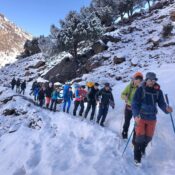
Embarking on a Morocco Mount Toubkal trek offers an unparalleled opportunity to stand atop the highest peak in the Atlas range. This journey is more than just a climb; it is a profound test of endurance that rewards you with panoramic views of rugged valleys and snow-dusted summits.

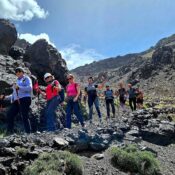
Every step through the winding paths brings you closer to a sense of genuine accomplishment. Whether you are a seasoned hiker or an aspiring mountaineer, this Morocco adventure promises memories that will last a lifetime. You will immerse yourself in local culture while navigating breathtaking landscapes that feel worlds away from the daily grind.
Prepare to challenge your physical boundaries and embrace the serenity of the high altitude. The path ahead awaits those brave enough to seek out the extraordinary.
Key Takeaways
- Conquer the highest summit in North Africa for a unique sense of achievement.
- Experience the diverse and dramatic landscapes of the Atlas range.
- Immerse yourself in the rich local traditions and hospitality of the region.
- Prepare for a physical challenge that accommodates various fitness levels.
- Create lasting memories through an unforgettable outdoor expedition.
The Allure of the High Atlas Mountains
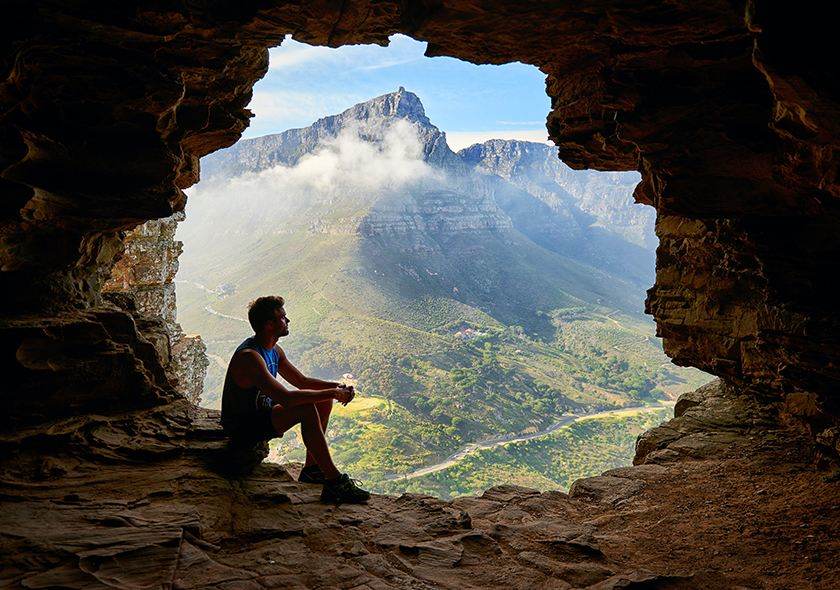
Few places on Earth capture the imagination quite like the towering peaks of the Atlas Mountains. This vast range serves as a dramatic spine across North Africa, separating the lush coastal plains from the arid expanse of the Sahara Desert.
The region is a sanctuary for those who crave adventure and natural beauty. Visitors are often struck by the stark contrast between the deep, verdant valleys and the jagged, snow-dusted summits that define the horizon.
Geographical Significance of the Toubkal Massif
At the heart of this range lies the magnificent Toubkal Massif, a geological wonder that commands respect from every climber. It is home to Mount Toubkal, which stands as the highest peak in North Africa at an impressive 4,167 metres above sea level.
This massif is not merely a collection of rocks; it is a complex landscape shaped by ancient tectonic forces and glacial erosion. The sheer scale of the Atlas Mountains in this area creates a unique microclimate that supports diverse flora and fauna found nowhere else.
Why Morocco is a Premier Destination for Trekkers
Morocco has quickly become a top-tier choice for international trekkers seeking a truly authentic mountain experience. The accessibility of the region allows travellers to transition from the bustling, vibrant markets of Marrakech to the quiet, rugged trails of the high peaks in just a few hours.
Beyond the physical challenge, the Atlas Mountains offer a profound cultural immersion. Trekkers have the rare opportunity to walk through traditional Berber villages, where hospitality remains a cornerstone of daily life. This blend of high-altitude excitement and rich heritage makes the region an unforgettable destination for any outdoor enthusiast.
Planning Your Morocco Mount Toubkal Trek
A successful journey into the Atlas Mountains begins long before you lace up your boots. Careful preparation is the cornerstone of a safe and rewarding experience in this rugged landscape. By considering the seasonal nuances and your own physical readiness, you can ensure your trip is both enjoyable and achievable.
Choosing the Best Time of Year to Visit
Timing is everything when you decide to undertake a Morocco Mount Toubkal trek. The most favourable windows for climbing are typically from late spring to early autumn. During these months, the weather remains stable, allowing for clearer paths and more predictable conditions.
If you prefer to avoid the intense summer heat, consider visiting in May or September. These shoulder months offer pleasant temperatures that make high-altitude hiking much more comfortable. Winter trekking is possible but requires specialised equipment and significant experience due to heavy snow and ice.
Understanding the Physical Demands of the Ascent
Reaching the summit is a rewarding challenge, but it is vital to be honest about your fitness level. The climb involves long days of walking on steep, rocky terrain that will test your endurance. You should focus on cardiovascular training to prepare your heart and lungs for the thin air found at higher elevations.
Regular high-altitude hiking practice in the weeks leading up to your departure will significantly improve your chances of success. It is not just about raw strength; it is about building the stamina to maintain a steady pace over several hours. Listen to your body and ensure you are well-rested before you begin your ascent of this iconic peak.
Essential Gear and Equipment for High Altitude
Your success on the mountain often depends on the quality of your trekking gear. Investing in reliable equipment transforms a challenging expedition into a manageable and enjoyable experience. Proper preparation ensures you remain focused on the stunning views rather than struggling against the harsh mountain environment.
Selecting the Right Footwear for Rocky Terrain
The Atlas Mountains feature rugged, uneven paths that demand sturdy footwear. You should choose boots with excellent ankle support and a deep-lugged sole for superior grip on loose scree. It is vital to break in your boots well before your departure to avoid painful blisters during the ascent.
Layering Strategies for Variable Mountain Weather
Weather in the high altitudes can shift rapidly from bright sunshine to freezing winds. Using a three-layer system is the most effective way to manage your body temperature. Start with a moisture-wicking base layer, add an insulating fleece or down jacket, and finish with a waterproof, breathable outer shell.
Must-Have Accessories for a Comfortable Trek
Beyond your main clothing, several small items significantly improve your comfort levels. High-quality trekking poles are essential for stability on steep descents, while a warm hat and gloves protect you from the biting cold. Always pack a reliable headlamp with extra batteries for early morning starts.
| Gear Category | Primary Function | Key Feature |
|---|---|---|
| Footwear | Stability | Ankle support |
| Base Layer | Moisture control | Synthetic fabric |
| Outer Shell | Weather protection | Waterproof membrane |
| Trekking Poles | Joint relief | Adjustable length |
Navigating Permits and Local Regulations
Before you lace up your boots, you must familiarise yourself with the essential permits and rules governing the Toubkal region. Navigating the administrative landscape of the Atlas Mountains is a vital step in ensuring your adventure remains stress-free and fully compliant with local laws.
The Importance of Hiring Certified Mountain Guides
Hiring certified mountain guides is not merely a suggestion; it is a fundamental safety requirement for anyone venturing into high-altitude terrain. These professionals possess the in-depth local knowledge and rigorous safety training necessary to navigate the unpredictable weather patterns of the High Atlas.
“A professional guide acts as both a navigator and a cultural bridge, ensuring that your journey is as safe as it is enriching.”
By choosing accredited mountain guides, you gain access to years of experience in managing altitude-related challenges. They are equipped to handle emergencies and provide the support needed to make your ascent successful and secure.
Understanding National Park Entry Requirements
The Toubkal region is a protected area, and visitors must adhere to specific national park entry requirements. You will often need to register your details at the local ranger station in Imlil before beginning your trek. This process helps authorities monitor foot traffic and ensures that all hikers are accounted for in the event of an emergency.
It is wise to keep your identification documents and any necessary permits easily accessible throughout your journey. Local officials may request to see these at various checkpoints along the trail to verify your status as a registered visitor.
| Service Feature | Certified Guide | Independent Trekking |
|---|---|---|
| Safety Training | Advanced Certification | None |
| Route Navigation | Expert Knowledge | Self-reliant |
| Permit Assistance | Full Support | Manual Process |
| Emergency Response | Immediate Action | Limited |
The Typical Itinerary for a Toubkal Expedition
Your adventure into the heart of the High Atlas begins with a well-structured plan that guides you from the valley floor to the clouds. Most expeditions follow a tried-and-tested path that balances physical exertion with the need for proper acclimatisation.
Starting the Journey from Imlil Village
The trek typically starts from the charming Imlil village, which sits at an elevation of 1,740 metres. This bustling mountain hub is the perfect place to meet your guide and finalise your preparations before heading into the wilderness. You will find the atmosphere here is incredibly vibrant, filled with the sounds of local life and the anticipation of the climb ahead.
The Ascent to the Toubkal Refuge
From the valley, the trail winds upwards through rocky paths and scenic mountain passes. Most hikers aim to reach the Toubkal refuge by the late afternoon, which serves as the essential base camp for the final push. Staying at this altitude allows your body to adjust to the thinner air, ensuring you are ready for the challenges of the following day.
Reaching the Summit and Returning Safely
The final ascent to the Toubkal summit usually begins well before dawn to catch the sunrise from the peak. Navigating the steep, scree-covered slopes requires focus and steady footing, but the panoramic views from the top are truly unforgettable. Once you have savoured the moment, a careful descent back to the refuge and eventually to the valley floor is necessary to complete your journey safely.
| Stage | Elevation Gain | Estimated Time |
|---|---|---|
| Imlil to Refuge | 1,460 metres | 5-6 hours |
| Refuge to Summit | 967 metres | 3-4 hours |
| Summit to Imlil | -2,427 metres | 6-7 hours |
Cultural Etiquette and Local Berber Traditions
Exploring the High Atlas Mountains offers more than just stunning views; it provides a unique window into the heart of Berber culture. As you traverse these ancient paths, you will encounter communities that have preserved their way of life for centuries. Approaching these interactions with an open mind and a respectful heart will significantly enhance your travel experience.

Respecting Customs in Remote Mountain Villages
The mountain villages are home to people who value modesty and tradition. When visiting, it is important to dress conservatively by covering your shoulders and knees, which shows genuine respect for local norms. Always ask for permission before taking photographs of individuals or their private homes to ensure you are not intruding on their personal space.
Hospitality is a cornerstone of Berber culture in the Atlas region. If you are invited for a cup of mint tea, accepting the offer is considered a polite gesture of friendship. Remember to use your right hand when eating or shaking hands, as this is the standard custom throughout the region.
Engaging with Local Communities Responsibly
You can make a positive impact by choosing to support local artisans and small businesses during your trek. Purchasing handmade crafts or locally sourced snacks directly contributes to the economic well-being of the village families. Engaging with the community in a way that honours Berber culture helps preserve these traditions for future generations.
Learning a few basic phrases in the local language, such as “salam” for hello, goes a long way in building rapport. Your thoughtful approach to communication will be warmly received by the residents. By being mindful of your footprint and your interactions, you ensure that your presence remains a benefit to these remote mountain areas.
| Action | Recommended Behaviour | Cultural Significance |
|---|---|---|
| Photography | Ask permission first | Respects privacy and dignity |
| Dress Code | Cover shoulders and knees | Aligns with local modesty |
| Socialising | Use your right hand | Follows traditional etiquette |
| Local Trade | Buy local goods | Supports the Berber culture |
Health and Safety Considerations at Altitude
When you venture above 2,500 metres, your body begins to react to the changing environment in significant ways. Preparing for the thin air of the Atlas Mountains is a vital step in ensuring your journey to the Toubkal summit remains safe and enjoyable.
Recognising the Symptoms of Altitude Sickness
It is important to listen to your body as you gain elevation. Altitude sickness can occur when your system struggles to adjust to lower oxygen levels.
Common warning signs include:
- Persistent headaches or dizziness.
- Nausea or a loss of appetite.
- Difficulty sleeping or unusual fatigue.
- Shortness of breath even while resting.
Hydration and Nutrition Strategies for Trekkers
Maintaining high energy levels is essential for a demanding climb. You should aim to drink plenty of water throughout the day, even if you do not feel thirsty.
Focus on consuming complex carbohydrates to provide sustained fuel for your muscles. Small, frequent snacks like nuts, dried fruits, and energy bars help keep your blood sugar stable during long trekking days.
Emergency Protocols and Medical Support
Safety is the top priority for every expedition team. Your certified guide is trained to monitor your health and will make decisions based on your physical condition.
If symptoms become severe, the standard protocol is to descend to a lower altitude immediately. Always ensure your travel insurance covers high-altitude trekking, as this provides peace of mind while you aim for the Toubkal summit. Reliable medical support is available in Imlil, and your guides maintain communication links to ensure help is accessible if needed.
Budgeting for Your Moroccan Adventure
A well-structured trekking budget ensures you can focus entirely on the stunning Atlas peaks. Planning your finances early allows you to enjoy your Morocco adventure without worrying about unexpected expenses during the journey.
Estimating Costs for Guides and Porters
Hiring professional mountain guides is a vital investment for your safety and enjoyment. These experts provide essential navigation skills and deep knowledge of the local terrain.
You should also factor in the cost of local porters who carry heavy gear. Their assistance makes the steep ascent much more manageable for trekkers of all fitness levels.
Accommodation Options from Guesthouses to Refuges
Your choice of stay significantly impacts your overall costs. Traditional village guesthouses offer a warm, authentic experience at a very affordable price point.
Alternatively, staying at the Toubkal refuge provides a more utilitarian experience closer to the summit. While basic, this facility is perfectly positioned for those looking to make an early start on their final climb.
| Expense Category | Budget Option | Premium Option |
|---|---|---|
| Mountain Guides | Group Sharing | Private Service |
| Accommodation | Village Guesthouse | Toubkal Refuge |
| Daily Meals | Local Markets | Full Board |
Training Tips to Prepare Your Body
Success on the trail starts long before you arrive in Morocco. Engaging in a consistent physical training programme is the most effective way to ensure you enjoy every moment of your journey. By preparing your muscles and heart, you will feel more confident when facing the challenges of the terrain.

Cardiovascular Conditioning for Endurance
The thin air at higher elevations means your heart and lungs must work much harder than usual. To excel at high-altitude hiking, you should focus on activities that boost your aerobic capacity. Aim for at least three to four sessions per week that elevate your heart rate for an extended period.
Consider incorporating these activities into your weekly schedule:
- Brisk walking or jogging on hilly paths to simulate mountain trails.
- Cycling or swimming to build stamina without putting too much stress on your joints.
- Stair climbing, which is excellent for mimicking the constant ascent of the Atlas range.
Strength Training for Steep Inclines
Navigating rocky, uneven paths requires significant stability and leg power. A well-rounded physical training routine must include exercises that target your quadriceps, hamstrings, and glutes. These muscle groups act as your engine during long, steep climbs.
Do not forget the importance of a strong core, as it helps you maintain balance while carrying a backpack. You can improve your performance for high-altitude hiking by performing the following movements:
- Lunges: These are perfect for building the unilateral leg strength needed for uneven steps.
- Step-ups: Use a sturdy bench to mimic the motion of climbing steep mountain slopes.
- Planks: A stable core is essential for carrying your gear comfortably over many hours.
Consistency is the key to seeing real results. By dedicating time to these exercises, you will build the resilience required to reach the summit safely and comfortably.
Capturing the Beauty of the Atlas Range
High-altitude landscapes in Morocco present a unique challenge and reward for those passionate about mountain photography. The dramatic shifts in light and the sheer scale of the Atlas Mountains create a canvas that is truly unparalleled. Whether you are a professional or a hobbyist, documenting this journey requires a blend of patience and technical skill.
Photography Tips for High-Altitude Landscapes
To capture the essence of the peaks, you must understand how light behaves at high elevations. The early morning sun often provides a soft, golden glow that highlights the rugged textures of the rock faces. Always carry extra batteries, as the cold temperatures at higher altitudes can drain your power significantly faster than at sea level.
Focusing on the scale of the landscape is vital for impactful images. Including a person or a colourful tent in your frame helps the viewer grasp the immense size of the surrounding environment. Consider these essential settings for your camera:
| Condition | Aperture | ISO | Focus Mode |
|---|---|---|---|
| Golden Hour | f/8 – f/11 | 100 | Manual |
| Midday Sun | f/16 | 100 | Auto |
| Low Light | f/2.8 | 800+ | Manual |
Best Vantage Points for Panoramic Views
Finding the perfect angle is key to showcasing the majesty of the Atlas Mountains. The trail leading to the Toubkal Refuge offers several spots where the valley opens up, providing a clear view of the jagged horizon. These vantage points are ideal for wide-angle shots that capture the vastness of the range.
- The Imlil Valley overlook: Perfect for capturing the lush greenery against the stark mountain backdrop.
- The Toubkal Refuge terrace: An excellent location for sunset shots as the light hits the summit.
- The final ridge ascent: Offers a 360-degree perspective that is unmatched for panoramic mountain photography.
Remember to take your time at these locations to compose your shots carefully. The best images often come from those who wait for the clouds to shift or the light to hit the peaks just right. Enjoy the process of documenting your adventure in this spectacular landscape.
Sustainable Tourism Practices in the Atlas Mountains
Your journey through the High Atlas is more than just a trek; it is an opportunity to protect a fragile landscape. Practising sustainable tourism is essential to ensure that the rugged beauty of these mountains remains intact for future generations to enjoy.
By making conscious choices, you can help maintain the delicate balance of this unique ecosystem. Every traveller plays a vital role in the long-term conservation of the Moroccan wilderness.
Minimising Your Environmental Footprint
The remote nature of the Atlas Mountains means that waste management is a significant challenge. You should always follow the principle of leaving no trace by carrying out all your rubbish, including biodegradable items that do not decompose quickly in high-altitude conditions.
Water sources in these mountains are precious and often serve as the primary supply for local villages. Avoid using soaps or detergents directly in streams, as these chemicals can harm the local flora and fauna. Instead, use biodegradable products well away from water edges to keep the environment pristine.
Supporting Local Economies Through Ethical Travel
Choosing sustainable tourism means your visit should provide tangible benefits to the Berber communities who call these mountains home. Prioritise hiring local guides and porters, as this ensures your money goes directly into the pockets of those who know the terrain best.
When purchasing supplies or souvenirs, look for locally made goods rather than mass-produced imports. This simple act helps preserve traditional crafts and encourages economic growth within small mountain villages. Engaging with local culture respectfully fosters a positive relationship between visitors and residents.
| Action | Benefit | Impact Level |
|---|---|---|
| Carry out all waste | Prevents pollution | High |
| Use local guides | Supports families | High |
| Buy local crafts | Boosts economy | Medium |
| Respect water sources | Protects health | High |
Conclusion
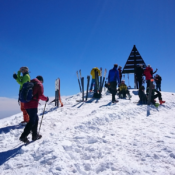
Standing atop the highest peak in North Africa offers a perspective that stays with you long after you descend. Reaching the summit of Mount Toubkal requires more than just physical stamina. It demands a deep respect for the rugged landscape and the Berber communities who call these mountains home.
Success on this trail relies on your commitment to thorough preparation. By prioritising your health and safety, you turn a challenging climb into a rewarding life experience. Every step taken with a certified guide helps preserve the natural beauty of the High Atlas range for future explorers.
Sustainable travel choices ensure that your visit leaves a positive impact on the local economy. Pack your gear, train your body, and embrace the spirit of adventure that defines this Moroccan icon. The mountains are calling, and your path to the top begins with a single, well-planned decision.
FAQ
How high is the summit of Mount Toubkal and what should I expect?
When is the best time of year to organise a Morocco Mount Toubkal trek?
Is it mandatory to hire a certified mountain guide for the ascent?
Where does the typical itinerary for a Toubkal expedition begin?
What kind of footwear and clothing should I pack?
What are the risks of altitude sickness during the trek?
How should I prepare physically for the trek’s demands?
What is the etiquette for visiting remote Berber villages?
Are there specific photography tips for capturing the High Atlas landscapes?
How can I practice sustainable tourism during my Morocco adventure?