Let’s explore the country that hits you all at once — the call to prayer echoing through ancient medinas, the smell of spices and leather, the shocking blue of Chefchaouen’s painted walls, the endless dunes of the Sahara stretching to the horizon. It’s a place where continents and cultures collide, where Europe is just 14 kilometres away across the Strait of Gibraltar, yet the atmosphere feels worlds apart.
Why should we explore Morocco?
If you’re deciding whether to visit, stop deliberating. Morocco is one of the most accessible exotic destinations on Earth. It’s affordable, incredibly diverse, and packed with experiences that range from cosmopolitan cities to remote desert camps. You can go from a bustling souk in Marrakech to a quiet Berber village in the Atlas Mountains in a few hours. The country rewards both the planner and the spontaneous wanderer.
The Must-See Destinations
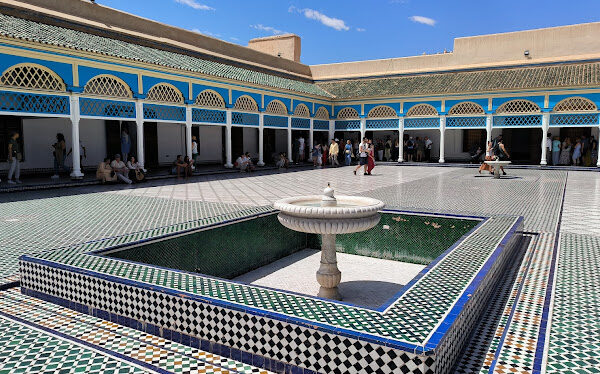
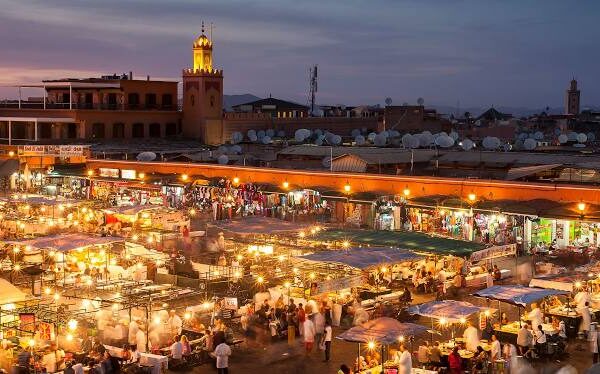
Marrakech is Morocco’s beating heart. The Jemaa el-Fnaa square is controlled chaos — snake charmers, musicians, food stalls, and crowds creating an almost overwhelming sensory experience. Wander the souks, visit the stunning Bahia Palace, and spend an evening in a traditional riad (a house built around a central courtyard). The nearby Sahara is also within reach — consider a camel trek into the dunes for sunrise and sunset.
Fes feels like stepping backwards in time. The medina is the world’s oldest continuously inhabited city, and its maze-like alleyways are impossibly intricate. Getting lost here isn’t frustrating — it’s the whole point. You’ll stumble upon hidden leather tanneries, quiet cafes, and locals who are used to curious travellers but still genuinely welcoming.
Chefchaouen is Instagram famous for a reason. Every building in the old town is painted in shades of blue, and the effect is hypnotic. It’s smaller and calmer than Fes or Marrakech, perfect if you want a slower pace and stunning photo opportunities without the overwhelming crowds.
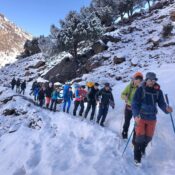
The Atlas Mountains offer hiking, Berber culture, and fresh air. The trek to Mount Toubkal (North Africa’s highest peak) is doable for most reasonably fit people, though it’s more challenging than many expect. Even if you don’t summit, the mountain villages and valleys are worth exploring.
The Sahara is non-negotiable. A night in the desert under a sky so full of stars it seems impossible — this is the experience many people travel to Morocco for. Whether you approach from Merzouga or Erg Chebbi, the dunes deliver.
Practical Tips
When to go: Spring (April–May) and fall (September–October) are ideal. Summer is blazingly hot, and winter can bring rain to some regions.
Money: The Moroccan dirham is the currency, but euros and dollars are accepted in tourist areas. ATMs are plentiful in cities. Haggling is expected in souks — it’s part of the experience, not aggressive.
Language: French and Arabic are official, but in tourist zones, English is increasingly spoken. Learning a few French or Arabic phrases goes a long way.
Food: Eat everything. Tagine, couscous, pastilla, fresh mint tea,
Transportation: Buses connect major cities and are affordable and reliable. Hiring a driver for a few days is also reasonable. Internal flights exist but aren’t necessary for most trips.
Accommodation: Riads in the medinas offer authentic experiences and are cheaper than Western hotels. Book in advance during peak season.
Street-food kebabs are incredible. Eat where locals eat — the best meals are often in unmarked stalls.
What Makes Morocco Special
It’s not just the destinations — it’s the feeling. There’s a rhythm to Moroccan life that’s different from the West. People move slower, conversations matter more, and hospitality isn’t performative; it’s genuine. You’ll be invited for mint tea by shopkeepers, offered directions by locals who’ll walk with you part of the way, and treated with a warmth that’s rare in tourism.
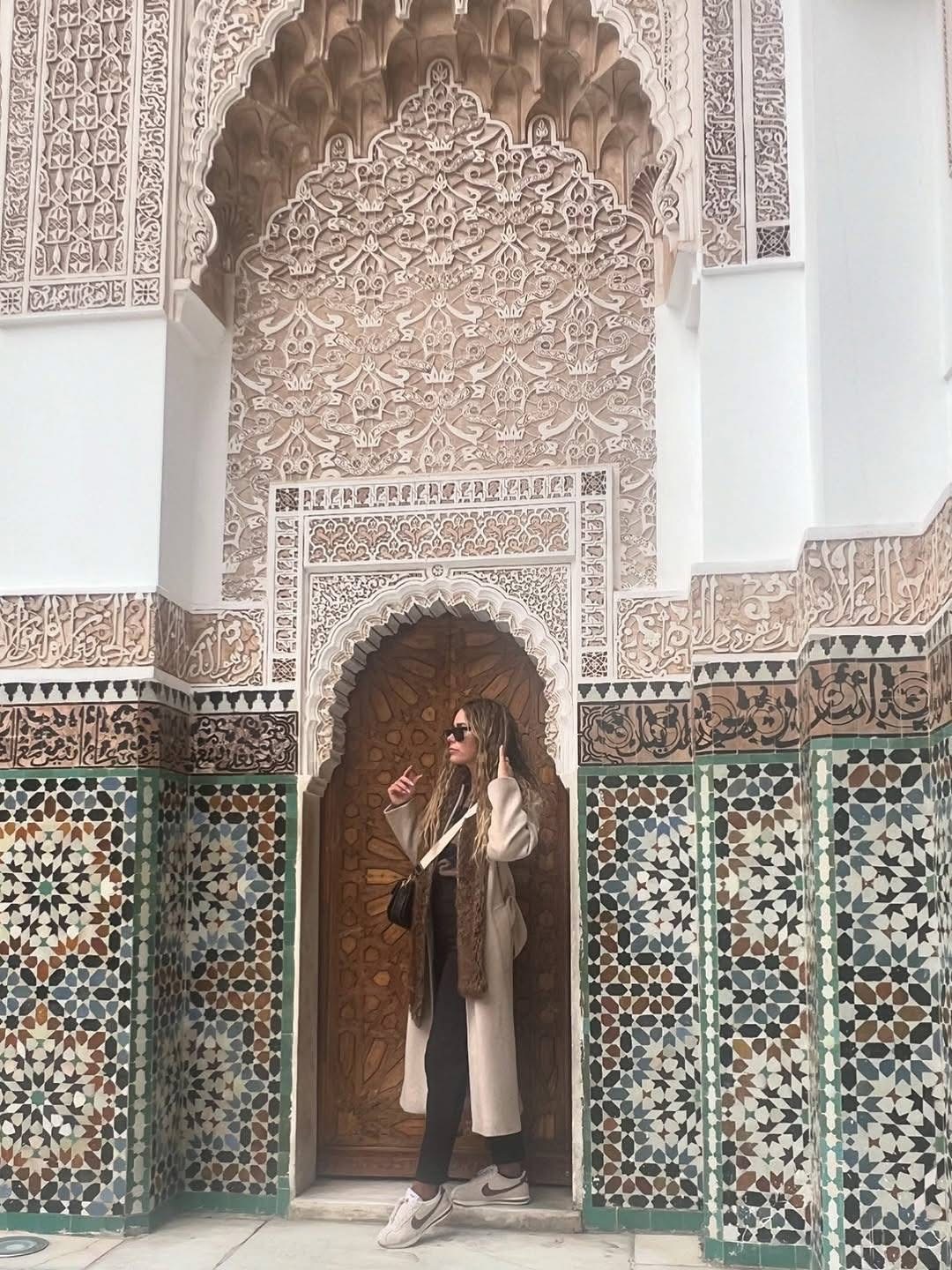
The country is also a crossroads. You feel Africa, the Middle East, Europe, and the Mediterranean all at once. The architecture blends Islamic design with Berber tradition. The food has Arabic, Spanish, and French influences. This cultural layering is part of what makes Morocco so captivating.
Final Thoughts
Morocco is the kind of place that stays with you. Whether it’s the call to prayer from a rooftop in Fes, the laughter of Berber children in a mountain village, or the silence of the Sahara at night, Morocco offers moments that feel genuinely different from everyday life.
Go. Wander the medinas. Drink too much mint tea. Negotiate with carpet sellers. Sleep under the stars. Eat bread dipped in argan oil. Talk to strangers. Get lost. Come back changed.
MARATREK (Marrakech): Ce qu’il faut savoir pour votre visite (avec avis)